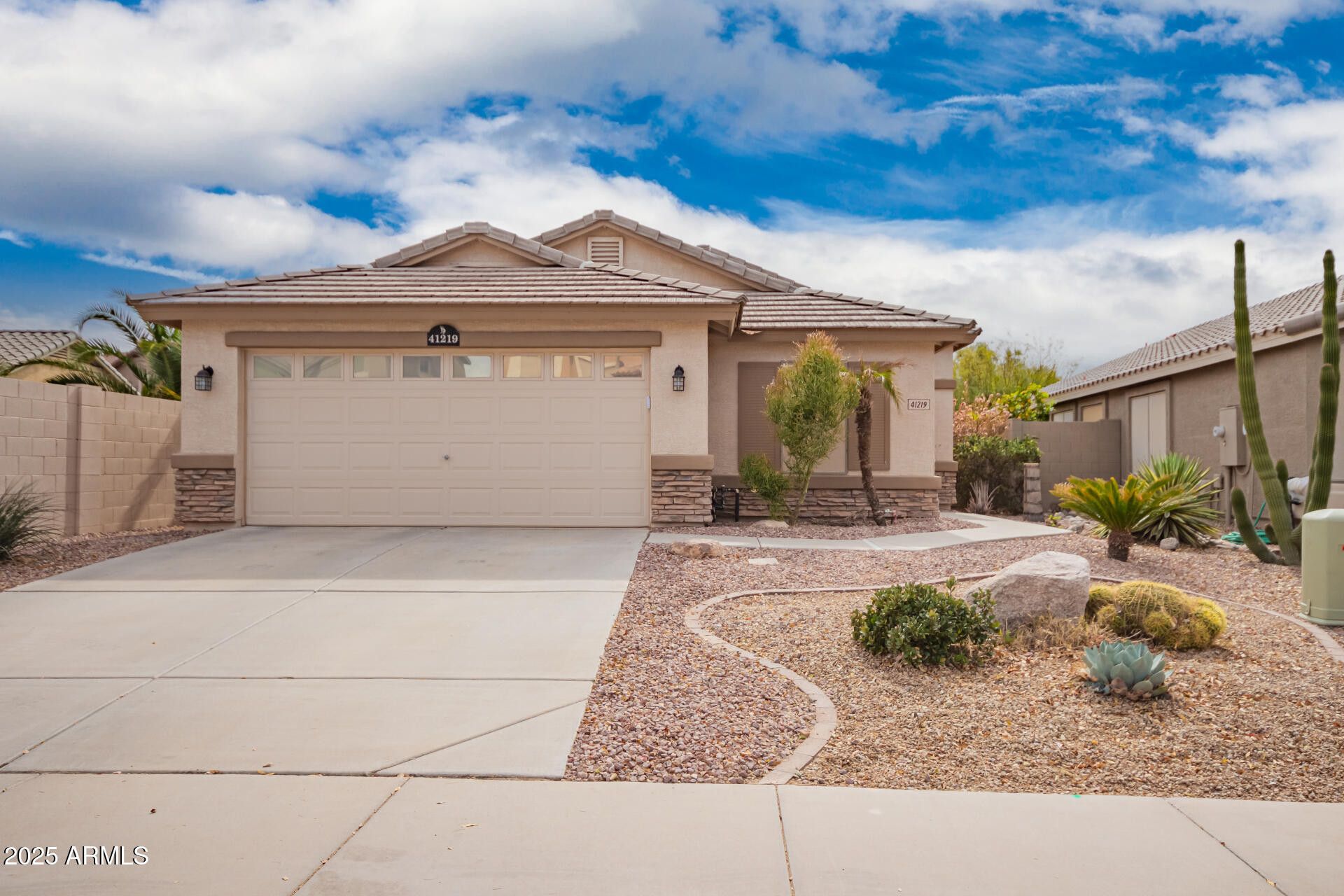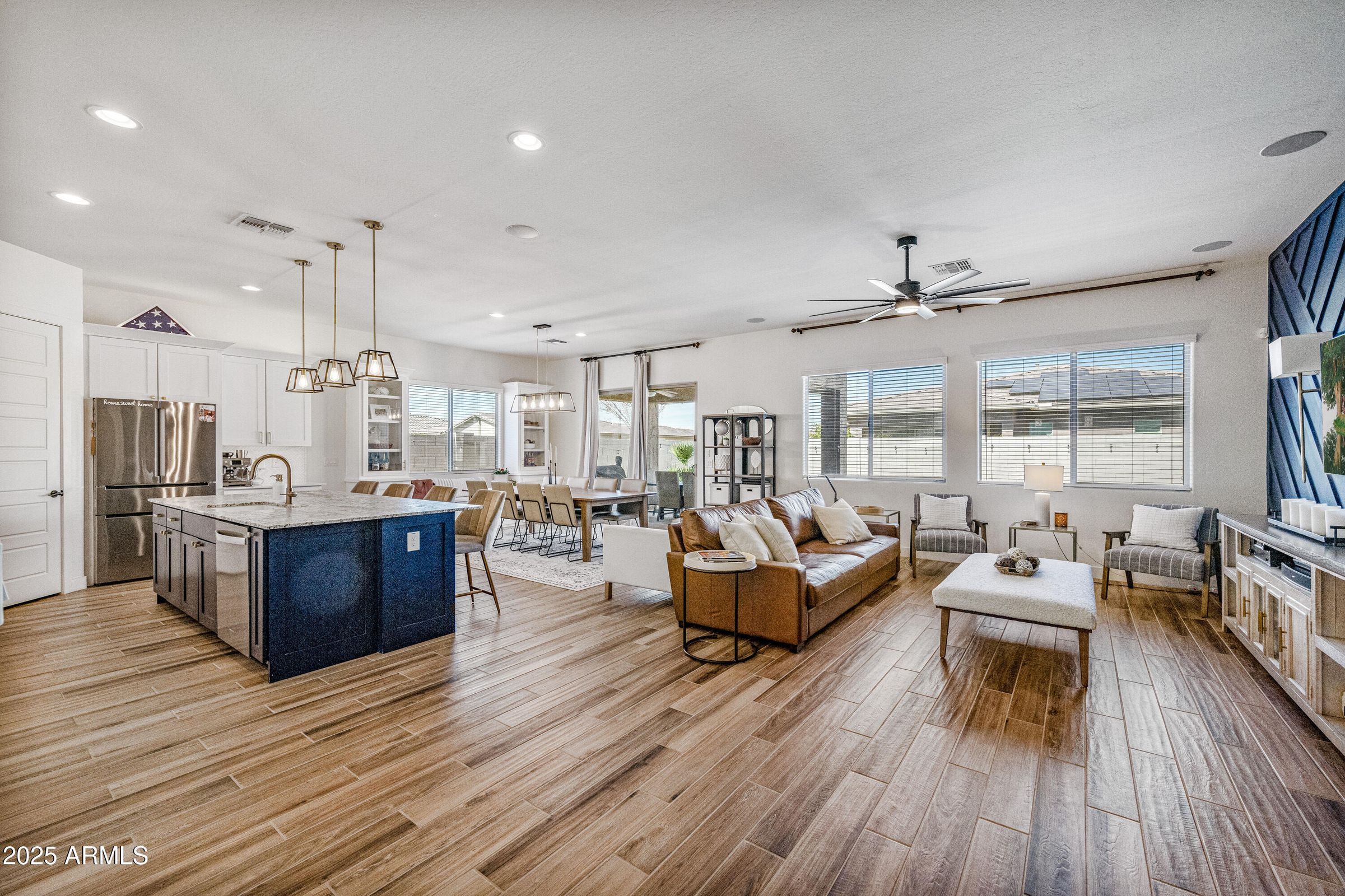
Will Gilbert Home Prices Drop in 2025?

If you’ve been holding out for home prices to dip this year, you’re not alone. Buyers, sellers, and even other agents ask me all the time:

“Will home prices in Gilbert actually drop in 2025?”

Let’s get right to the point: In most cases, big price drops are not on the horizon. Here’s what I’m seeing in the field every day — and why this year is more about strategy than timing.


📉 Low Inventory Keeps Prices Steady

Even with interest rate changes in 2023 and 2024, Gilbert’s housing supply is still far below demand. Just recently, I worked with a client searching for a home under $500,000, and we found only a handful of solid options. When inventory is this limited, prices hold — it’s basic supply and demand.


💡 Equity-Rich Homeowners Aren’t Rushing to Sell

Unlike 2008, most owners have significant equity and low fixed-rate payments. If they need to move, they can rent the property instead of selling at a discount. That means no flood of distressed listings coming to push values down.


🛠 Builders Protect Base Prices with Incentives

New-build communities aren’t cutting base prices; instead, they’re offering incentives like rate buydowns, closing cost credits, or design upgrades. For example, I helped a buyer in Buckeye secure $17,000 in builder incentives — but the purchase price stayed the same. Builders want to keep comps stable.


📊 What Could Trigger Short-Term Softness

While broad declines look unlikely, we might see temporary dips in:

  • Homes needing significant work

  • Overpriced listings in competitive price ranges

  • Neighborhoods where multiple similar homes hit the market at once
    Even then, these are usually isolated, not market-wide.


🧠 Focus on Affordability Strategies

Instead of waiting for a market drop that may not come, I help clients structure deals to make the numbers work today. That might include:

  • Negotiating seller credits for a rate buydown

  • Leveraging builder incentives

  • Targeting homes with longer days on market for better terms
    Buy now with a payment you can handle, and refinance later if rates improve.


📞 Ready to run the numbers or schedule a strategy call?
I’m Jermaine Miller — your Gilbert Realtor and Loan Officer — here to help you navigate 2025 with a plan that fits your goals.

Call or text 480-800-HOME

Nov. 12, 2025

Why an FHA Loan Beats Fannie’s 620 Cutoff

gilbert-az-jermaine-miller-fannie-mae-620-fha-option


By Jermaine Miller – Realtor | Gilbert, AZ
Posted on AZFruitfulHomes.com


Introduction

The recent change by Fannie Mae to remove the middle‑FICO score minimum of 620 (effective November 16 2025) certainly grabs headlines. However, access doesn’t mean cost‑effectiveness or full underwriting relief. For borrowers around the 620 mark—especially in the Phoenix‑Southeast Valley market (Gilbert, Chandler, Mesa, Queen Creek)—the path through an Federal Housing Administration (FHA)‑insured loan often remains the better structured option. This blog explains why.


🏦 What exactly has Fannie Mae changed?

Fannie Mae’s new policy removes the explicit minimum middle FICO score of 620 for loans submitted via its DU system (effective 11/16/2025).
That said:

  • Lenders may still apply overlays (higher minimums).

  • Private mortgage insurance (PMI) standards generally remain unchanged—PMI providers still often require 620+.

  • Interest rates and pricing adjustments will still reflect risk (lower score = higher rate).
    Thus the removal of “620” doesn’t automatically equal “620 is just like 740”.


🔍 Why PMI & cost factors matter at the ~620 score level

With lower credit scores the lender and investor risk increases. Key cost impacts:

  • Higher interest rates for credit scores below typical “prime band”.

  • Higher PMI premiums/longer duration if PMI must stay until 20%+ equity.

  • With Fannie Mae pathways, uncertainty remains about whether PMI underwriting criteria improve or if pricing still penalizes lower scores.
    In short: even if you qualify under Fannie’s new terms, the costs may render it less competitive.


✅ FHA‑insured loan benefits for ~620 credit scores

An FHA loan offers predictable underwriting and insurance structure:

  • FHA allows credit scores as low as 580 with 3.5 % down (check lender overlays).

  • Mortgage insurance premium (MIP) structure is standardized: up‑front + monthly; less variability.

  • Given the credit score band, it may offer better interest rate and total cost compared to a Fannie loan with compromised terms.

  • Particularly in Phoenix market where inventory is tight and competition is high, having a dependable, transparent cost structure strengthens offers.


⚠ Caveats & what to check before deciding

Before choosing FHA or relying on Fannie’s change, verify:

  1. Lender overlays for Fannie‑Mae submission: minimum score, DTI, reserves.

  2. PMI provider terms: did lowering 620 lead to lower PMI thresholds? Confirmation required.

  3. Rate quotes on both FHA and Fannie path for your credit scenario: compute total cost over first 5‑10 years.

  4. Loan purpose & investor profile: For investment properties FHA may not be eligible.

  5. Borrower’s long‑term plan: slower equity build‑up with longer amortization or higher rate may impact exit strategy.


📌 What this means for Phoenix & East Valley buyers, sellers, investors

In markets like Gilbert, Chandler, Mesa, Queen Creek:

  • For a buyer with ~620 credit score: opting FHA may yield a stronger, cleaner offer and fewer rate/MI surprises.

  • For sellers/investors advising clients: emphasizing transparent cost analysis strengthens credibility.

  • For you as both Realtor & Loan Officer: structuring the right path matters—just because a policy change exists doesn’t mean it’s the optimal product.

Call or text Jermaine Miller at 480‑800‑HOME. Realtor and Loan Officer serving Phoenix and the Southeast Valley.
NMLS Jermaine Miller #2415273 | Barrett Financial Group, LLC NMLS #181106 | 2701 East Insight Way, Suite 150, Chandler, AZ 85286 | Equal Housing Lender | FruitfulHomeLoans.com
Nov. 4, 2025

Is the CFPB Still Necessary to Protect Arizona Homebuyers?

gilbert-cfpb-homebuyer-protection-jermaine-miller


By Jermaine Miller – Realtor | Gilbert, AZ
Posted on AZFruitfulHomes.com


When people ask whether the Consumer Financial Protection Bureau (CFPB) is still needed, it's often rooted in how effective its tools and rules have become. In Arizona, especially across Gilbert, Chandler, Mesa, Queen Creek, homebuyers benefit every day from protections that many don't even realize came from the CFPB.

Let's break down what the CFPB has done, what could happen if it were scaled back, and why understanding this matters — without getting political.


🔢 What the CFPB Put in Place for Homebuyers

Since 2011, the CFPB has helped create clear, simple standards for real estate and mortgage transactions. Key contributions include:

  • Loan Estimates & Closing Disclosures that are easy to compare across lenders

  • "Know Before You Owe" rules (TRID) that prevent last-minute surprises at the closing table

  • Limits on dual compensation, so buyers aren't steered into less favorable loans

  • Complaint resolution with responses required from lenders

These standards directly benefit everyday homebuyers, especially those new to the market.


🤠 Protections Still Helping Arizona Buyers Today

Even now, buyers across the Southeast Valley rely on CFPB-established tools to:

  • Compare interest rates and fees clearly

  • Avoid predatory loan structures

  • Report unethical treatment

In fast-moving markets like Phoenix, this transparency creates trust and reduces mistakes that could cost thousands.


⚡️ What Could Happen Without These Safeguards?

If the CFPB were scaled back or removed, some possible risks include:

  • A return to confusing or inconsistent loan paperwork

  • Fewer checks against hidden fees or interest rate manipulation

  • Longer resolution times for consumer complaints

These wouldn't happen overnight, but gradual changes could increase risk for buyers, especially in high-volume or investor-heavy markets.


🏛️ The Case for Moving Forward Carefully

While some argue the CFPB's job is done, others believe its presence continues to deter harmful lending practices. Instead of full rollback, there may be room to simplify or modernize existing rules while preserving consumer protections.

Ultimately, buyers in Gilbert and beyond should understand how current rules work, what tools are available, and how to advocate for fair treatment.


🏡 Arizona Buyers: What You Can Be Grateful For

  • Clear loan terms you can actually compare

  • Confidence that your interest rate won’t shift unexpectedly

  • A place to voice concerns and get a response

These may seem basic today, but they exist thanks to the reforms that followed the 2008 housing crisis — and many of them were driven by the CFPB.


Call or text Jermaine Miller at 480-800-HOME. Realtor and Loan Officer serving Phoenix and the Southeast Valley. All loans subject to credit approval.
NMLS Jermaine Miller #2415273 | Barrett Financial Group, LLC NMLS #181106 | 2701 East Insight Way, Suite 150, Chandler, AZ 85286 | Equal Housing Lender | FruitfulHomeLoans.com
Oct. 30, 2025

TSMC Arizona's Water Reuse Plan: What Homeowners Should Know

tsmc-water-reuse-phoenix-impact-jermaine-miller


By Jermaine Miller – Realtor | Gilbert, AZ
Posted on AZFruitfulHomes.com

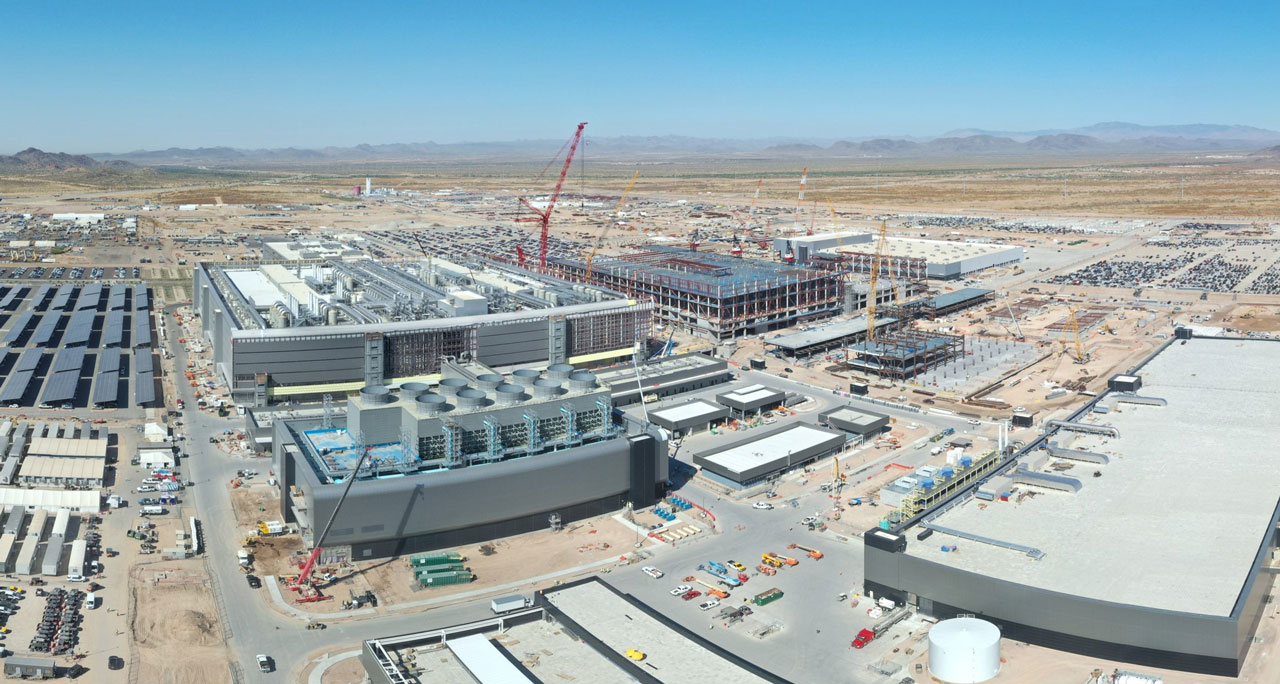
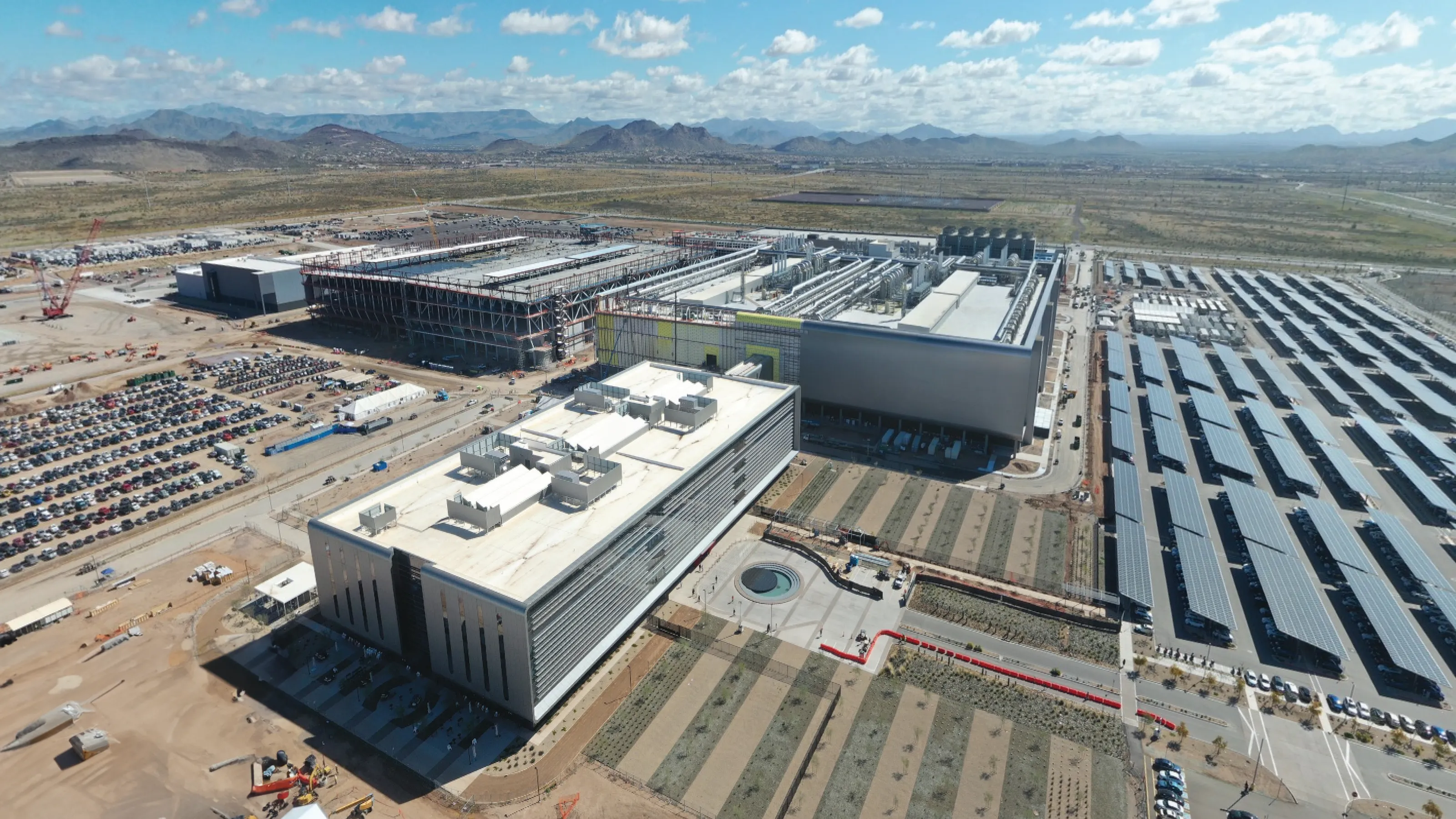
The massive TSMC semiconductor plant rising in north Phoenix isn’t just a tech milestone—it’s becoming a major factor in the Valley’s long-term water future. With a dedicated water reclamation facility in the works, this project could change how we think about development, sustainability, and real estate growth across Phoenix, Gilbert, Chandler, Mesa, and Queen Creek.


🏗️ What Is TSMC Doing About Water?

TSMC Arizona is building a state-of-the-art industrial water reclamation plant. Once complete (by ~2028), it aims to recycle up to 90% of all the water used in its semiconductor operations. Right now, internal systems already reclaim about 65%.

This facility will treat industrial wastewater and convert it into ultra-pure water needed for chip manufacturing. The goal is to reach near-zero liquid discharge, meaning almost no wastewater will leave the site.


🌵 Why Does This Matter in Phoenix?

Phoenix is in a water-stressed region. The metro area pulls from the Colorado River and local aquifers, both of which are under pressure. Large-scale industrial use adds demand to this fragile system.

By reusing water, TSMC helps reduce pressure on the municipal supply—a key move for a city juggling tech growth and long-term water reliability.


🏘️ What It Means for Homeowners and Buyers

Water infrastructure matters when choosing where to live. Areas like Gilbert and Queen Creek depend on stable utilities. A high-profile industrial user committing to advanced water reuse sends a strong signal about sustainable growth.

Still, buyers should be aware—if regional water issues worsen (like future Colorado River cuts), cities may prioritize water differently. Be informed when looking at new builds or high-demand growth corridors.


📉 Could This Affect Home Prices or Demand?

Yes—positively and cautiously. On one hand, having a plant that prioritizes sustainability can boost buyer confidence. But if large-scale industrial use leads to rising utility costs or infrastructure strains, that could affect real estate markets.

Stay alert for municipal policy changes. Water allocation plans, usage tiers, and drought restrictions may evolve.


🚰 Should Sellers or Investors Care?

Absolutely. Investors and sellers should highlight sustainable infrastructure nearby. Proximity to an environmentally responsible employer like TSMC can be a value-add.

Inspection strategies, local utility capacity, and water access history are smart angles when preparing a listing or analyzing investment returns.


🔍 Final Takeaway

TSMC's water reclamation plan isn’t just a corporate move—it’s a glimpse into the future of real estate in Arizona. It shows how industry, sustainability, and community growth must work together.

If you're thinking of buying or selling in the Phoenix metro, keep an eye on where the big infrastructure projects are—and how they impact the region’s most precious resource.


Call or text Jermaine Miller at 480-800-HOME. Realtor and Loan Officer serving Phoenix and the Southeast Valley. All loans subject to credit approval.
NMLS Jermaine Miller #2415273 | Barrett Financial Group, LLC NMLS #181106 | 2701 East Insight Way, Suite 150, Chandler, AZ 85286 | Equal Housing Lender | FruitfulHomeLoans.com


Oct. 29, 2025

What’s Causing the Big Jump in Your Gilbert Water Bill?

gilbert‑water‑bill‑spikes‑jermaine‑miller‑phoenix‑gilbert


By Jermaine Miller – Realtor | Gilbert, AZ
Posted on AZFruitfulHomes.com


Introduction

If you live in the Southeast Valley – especially Gilbert, Arizona, Chandler, Mesa or Queen Creek – you may have noticed your water bill jump without warning. Some Gilbert residents have reported charges rising into the thousands, even when their water usage seems unchanged. What’s really behind this? Let’s break it down.


🧠 What’s happening in Gilbert

New meters & billing system

Gilbert recently upgraded water meters across the area. At the same time, a new utility billing system was launched. While the intention was to modernize, the changes have confused some residents, especially those who weren’t aware of the transition.

Increased water rates

Water and sewer rates have also gone up. Even small changes in usage can now push residents into higher billing tiers. This makes water costs more sensitive, especially for homes with irrigation or pools.

Unusual billing spikes reported

Several homeowners claim their bills increased drastically—some from around $260 to more than $2,600 in a single month. These jumps don’t always reflect a major change in usage, leading many to question whether meter accuracy or system errors are to blame.


🔍 Possible causes of a spike

1. Leaks or hidden usage

Undetected irrigation leaks, malfunctioning pool equipment, or running toilets can quietly rack up thousands of gallons. Always rule out leaks before assuming an error.

2. Tiered billing structure

Gilbert uses a tiered billing system. A small increase in water usage during summer months can place your bill into a much more expensive bracket. The new billing system may also calculate this differently than before.

3. Meter misreads or calibration issues

If a newly installed meter wasn’t calibrated correctly or gave a faulty reading, this could result in overbilling. While meter failures are rare, they’re not impossible—especially during a mass rollout.

4. Billing system errors

Some homeowners were not notified about account number changes, auto-pay setup changes, or due dates. This has caused confusion about charges and missed payments, further complicating billing accuracy.

5. Infrastructure and supply pressures

Gilbert continues to grow, and with that comes added costs to maintain and expand water infrastructure. These costs are reflected in rate adjustments passed on to residents.


🏡 Why this matters for homeowners & buyers

For current homeowners

A sudden spike in your utility bill can strain your monthly budget. If it’s due to a billing error or mechanical issue, it’s important to act quickly. Keep records, request inspections, and know your rights as a utility customer.

For future homebuyers

If you’re buying in Gilbert or surrounding areas, ask for recent utility bills during your inspection period. A dramatic increase could indicate leaks, billing issues, or even a need to recalibrate a new meter.

For investors and landlords

Unexpected jumps in utility costs can affect your ROI. Multi-unit properties with shared meters or irrigation should be monitored closely. High bills may deter long-term renters or require cost adjustments.


🛠 What you should do if your bill spiked

  1. Compare past usage to current charges. If your gallons used didn’t increase, it’s a red flag.

  2. Check for leaks, especially in irrigation lines or outdoor systems.

  3. Read your meter manually over a few days. If the reading doesn’t match your actual usage, report it.

  4. Contact Gilbert Utilities to report the issue and request a meter inspection or recalibration.

  5. Document everything, including old bills, communication, and photos of your meter readings.

  6. Ask for clarification on rate tiers, meter changes, and dispute policies if something seems off.


✅ Final thoughts

The recent water bill spikes in Gilbert have left many homeowners frustrated and confused. Whether it’s due to new meters, software issues, or legitimate usage, it’s important to stay informed and act quickly. For buyers and investors, utility costs are part of your due diligence.


Call or text Jermaine Miller at 480‑800‑HOME. Realtor and Loan Officer serving Phoenix and the Southeast Valley.
NMLS Jermaine Miller #2415273 | Barrett Financial Group, LLC NMLS #181106 | 2701 East Insight Way, Suite 150, Chandler, AZ 85286 | Equal Housing Lender | FruitfulHomeLoans.com
Oct. 28, 2025

Arizona Starter Homes Act Could Change How Phoenix? Area Develops

phoenix-starter-homes-jermaine-miller-sb1229

By Jermaine Miller – Realtor | Gilbert, AZ
Posted on AZFruitfulHomes.com


🏛 What the Starter Homes Act proposes

Arizona’s proposed Starter Homes Act (Senate Bill 1229) aims to tackle the state’s housing shortage by easing development restrictions on new subdivisions. If passed, this legislation would apply to new single-family developments on five or more acres within cities of 70,000+ population — like Gilbert, Chandler, Mesa, and Queen Creek.

Key highlights include:

  • Minimum lot sizes as small as 3,000 sq ft would be allowed, a major shift from current larger-lot zoning standards.

  • Municipalities would be limited in how they regulate home design and aesthetics, including architectural features, facades, and garage layouts.

  • Homebuyers would have more control over the look and layout of their homes — and cities couldn’t require specific amenities, fences, or screening walls.

  • Local governments could still enforce building and safety codes, but not purely aesthetic standards.


📍 Why this matters in the Southeast Valley

This bill could have a major effect on how neighborhoods develop across fast-growing communities like Gilbert and Queen Creek. Smaller lot sizes mean more homes per acre — potentially lowering the entry price for new buyers.

  • Developers could build smaller, more affordable homes without needing waivers or zoning variances.

  • Cities would lose authority to mandate costly design features, making construction more efficient and affordable.

  • Buyers may see new neighborhoods with modern, lower-cost homes and flexible customization options.

This could be a big win for first-time buyers looking to stay local.


⚠️ What the bill doesn’t do

While SB 1229 opens the door to more attainable housing, it’s important to understand its limits.

  • It does not guarantee affordability. Homes on smaller lots could still sell at full market prices, depending on demand.

  • It doesn’t limit investor purchases. Without restrictions, new “starter homes” could still be scooped up by rental investors.

  • It reduces local planning authority. Cities wouldn’t be able to shape neighborhood aesthetics or layout in the same way they do today.

  • It doesn’t cover infrastructure needs. Growth could strain local services like schools, water, and emergency response if not managed carefully.


🔍 Current status of the bill

As of now, SB 1229 has passed the Arizona Senate but faces opposition in the House. Local governments and planning officials are raising concerns — especially around the loss of zoning control and the bill’s lack of affordability guarantees.

This means the bill may stall or be revised. It’s not law yet — but it’s worth watching closely.


🧭 What this means for buyers, sellers, and investors

  • If you’re buying: This bill could expand your options — more homes, smaller lots, and possibly lower prices.

  • If you’re selling: Increased supply in the “starter home” segment could create more competition. It’s smart to emphasize any upgrades or larger lot size.

  • If you’re investing: Smaller-lot builds could become a new focus area, offering flexibility and potentially faster ROI depending on local regulations.


✅ Next steps in Gilbert, Chandler, Mesa & Queen Creek

If the bill passes, watch for:

  • New subdivision plans featuring 3,000 sq ft lots

  • Builders marketing customizable homes without HOA-style features

  • Shifts in pricing patterns in newer neighborhoods

  • Local governments responding with updated guidelines

This could be a major turning point for Arizona real estate — especially in fast-growing communities across the Southeast Valley.


Call or text Jermaine Miller at 480-800-HOME.
Realtor and Loan Officer serving Phoenix and the Southeast Valley. All loans subject to credit approval.
NMLS Jermaine Miller #2415273 | Barrett Financial Group, LLC NMLS #181106 | 2701 East Insight Way, Suite 150, Chandler, AZ 85286 | Equal Housing Lender | FruitfulHomeLoans.com
Oct. 23, 2025

What Has the Government Shutdown Done to USDA Loan Funding?

USDA loan shutdown delays in Phoenix, Gilbert, Chandler, Mesa, Queen Creek - Jermaine Miller real estate update


What Has the Government Shutdown Done to USDA Loan Funding? 🏛️

By Jermaine Miller – Realtor | Gilbert, AZ
Posted on AZFruitfulHomes.com


The USDA home loan program is one of the few ways buyers in the Phoenix area can purchase with zero down payment. But right now, it's not processing new loans.

Due to the federal government shutdown, USDA offices are operating with limited staff. As a result, new USDA loan applications cannot move forward. If you are under contract and hoping to use this program, you're likely to face delays.


🌟 No New USDA Loans Approved Right Now

The USDA Section 502 Guaranteed Loan Program is directly affected. New loan commitments are not being issued during the shutdown. Files already in the pipeline may be paused, depending on status.

This isn't permanent, but it is a serious timing issue for buyers trying to use USDA right now.


🤝 FHA or Conventional as Backup Options

If you're aiming to close soon, your best path is to switch to FHA or conventional financing. These programs are still active, and many lenders can pivot your file if needed.

Buyers must plan for minimum down payment requirements and updated qualification terms. Zero-down may not be possible until USDA resumes operations.


🏡 Impact on Affordable Homebuyers

Phoenix-area buyers using USDA often seek homes on the rural edges of Queen Creek, Maricopa, or San Tan Valley. With USDA on hold, affordability is reduced. Some buyers may have to pause their search entirely.

Loan officers should assess borrower eligibility for other low-down options while we wait.


🚨 Time to Adjust Buyer Expectations

USDA will return, but we don’t know when. If you're shopping now and counting on zero-down, assume a delay or financing change is needed.

Talk to your lender today to reassess timelines and adjust offers accordingly. Sellers also need to know if buyers plan to use USDA.


Call or text Jermaine Miller at 480-800-HOME. Realtor and Loan Officer serving Phoenix and the Southeast Valley. All loans subject to credit approval.
NMLS Jermaine Miller #2415273 | Barrett Financial Group, LLC NMLS #181106
2701 East Insight Way, Suite 150, Chandler, AZ 85286
Equal Housing Lender | FruitfulHomeLoans.com
Oct. 20, 2025

Phoenix Homeowners and Zoning Changes

Modern multifamily zoning in Gilbert Arizona – Jermaine Miller Realtor AZ Fruitful Homes
Are Phoenix Homeowners Losing Control Over Neighborhood Development?

By Jermaine Miller – Realtor | Gilbert, AZ
Posted on AZFruitfulHomes.com

🏘️ Are Phoenix Homeowners Losing Control Over Neighborhood Development?

Arizona just passed two major zoning reform bills — HB 2447 and HB 2110 — and they’re set to transform how neighborhoods evolve in Phoenix and the surrounding Southeast Valley. These laws aim to streamline approvals and encourage more multifamily housing, especially on land that was previously commercial. But not everyone’s cheering.

Let’s break down the good, the bad, and what it means for buyers, sellers, and investors in Phoenix, Gilbert, Chandler, Mesa, and Queen Creek.

✅ The Good: More Housing Options, Faster 🏗️

With HB 2447, developers no longer need to go through lengthy public hearings for many projects. If a development meets objective standards, it can be approved administratively. HB 2110 allows multifamily projects on some commercial properties — no rezoning needed — in cities like Phoenix, Mesa, and Chandler.

This means more projects get the green light, faster. It could increase the housing supply, potentially helping with affordability. For investors, this is a golden opportunity to pivot into adaptive reuse or infill multifamily projects.

⚠️ The Bad: Less Say for Homeowners 🛑

The flip side? These laws reduce the need for community input. In many cases, homeowners won’t get advance notice or a public hearing before a new apartment complex pops up nearby. If you live near a commercial strip, don’t be surprised if it turns residential overnight.

For many, this feels like a loss of control — and it raises concerns about traffic, infrastructure, and the character of established neighborhoods.

💡 What This Means for Buyers and Sellers in 2025 🔄

For buyers, the laws could open the door to more affordable housing choices, especially in areas once dominated by retail or office space. But you’ll want to work with someone who knows how to spot zoning shifts and evaluate long-term value.

For sellers, especially those near commercial zones, there’s potential upside. More development can raise demand — and home values — but it could also create uncertainty depending on how the neighborhood evolves.

💼 What Investors Should Watch 👀

If you’re an investor, this is your signal. HB 2110’s push to convert commercial properties into multifamily units could create massive opportunities — especially with limited rezoning barriers and clearer approval standards.

Focus on areas with underutilized office or retail parcels in Gilbert, Mesa, and Chandler. These zones are prime for redevelopment, and you’ll want financing and land use expertise to move quickly.

🧭 What to Expect from Local Cities 🏛️

Cities like Tempe and Casa Grande are already scrambling to adapt their ordinances. Expect others in the Valley to revise codes and review boards soon. While the state laws are broad, local implementation still varies.

That’s why having a trusted local expert matters more than ever.


Call or text Jermaine Miller at 480-800-HOME. Realtor and Loan Officer serving Phoenix and the Southeast Valley.
All loans subject to credit approval.

Oct. 15, 2025

Phoenix Foreclosure Trends 2025

2025 foreclosure trend in Phoenix Arizona – Jermaine Miller Realtor AZ Fruitful Homes

Is Foreclosure Activity Rising in Phoenix, Arizona – Should You Be Worried?

By Jermaine Miller – Realtor | Gilbert, AZ
Posted on AZFruitfulHomes.com


📉 Is Foreclosure Activity Rising in Phoenix, Arizona – Should You Be Worried? A noticeable increase in foreclosures has Phoenix-area homeowners and buyers asking questions. Let's look at the data and what it means for the 2025 housing market.


📊 Foreclosures Are Up – But Let's Add Context
In Q3 2025, Maricopa County recorded 317 trustee deeds, up from 238 in Q2 and 195 in Q1. That’s a 137% year-over-year increase from Q3 2024. The trend is upward, but context matters.


💸 2025 Looks More Like 2020 Than 2008
Perspective is everything:

  • 2009 crisis peak: Nearly 50,000 trustee deeds

  • 2020 pandemic year: ~539 total deeds

  • 2025 YTD (through Q3): ~750 deeds

These numbers show we’re far from a crash. Today’s foreclosure levels resemble early-pandemic fluctuations, not the mortgage meltdown.


📏 Reverted vs. Sold: Why It Matters
Most trustee deeds are still reverting to lenders, not being sold to third-party investors. However, that tide is shifting. More investors are eyeing distressed inventory again.


🏛️ Why Are Foreclosures Rising?
Several stress points are contributing to the rise in foreclosures:

  • ⬆️ Inflation and Cost of Living: Essentials like food, insurance, utilities, and fuel have become more expensive, straining household budgets regardless of mortgage rate.

  • Temporary Mortgage Relief is Ending: Some homeowners who used 2-1 or 3-1 buy-downs when rates started climbing are now hitting their full payment amounts. Many assumed rates would drop, but they haven’t.

  • 🌐 Job Market Shifts: We’re seeing increases in unemployment, especially in sectors impacted by AI and automation, like customer service, logistics, and tech-related support.

  • 📈 Company Contractions: Several industries are downsizing or anticipating slowdowns due to global tariffs and weaker profit forecasts.

  • 🛋️ High-Rate Purchases in Recent Years: Many 2022–2024 buyers purchased at higher interest rates and may now face affordability issues, especially if their incomes haven’t kept pace with rising expenses.


🔍 What to Watch For
Stay on top of:

  • Job market shifts

  • Adjustable-rate mortgage resets

  • Local housing demand and price stabilization

Also, ask your lender about refinance options or leveraging equity to stay ahead.


💼 What It Means for Buyers & Investors
If you're looking to invest, modest foreclosure upticks can present smart entry points. Distressed inventory could offer long-term appreciation if bought right.

Just remember: all real estate investments carry risk.


📞 I'm Jermaine Miller, your local agent and lender in Gilbert.
Let’s talk about how to navigate these 2025 trends with confidence.

🔗 Ready to run the numbers or schedule a strategy call?
480-800-HOME

All loans subject to credit approval.


Source: Trustee Deed data courtesy of Cromford Associates LLC, via The Cromford Report. Sharing permitted for subscribers.

Oct. 8, 2025

SR-30 Tres Rios Freeway: What Phoenix Homebuyers Need to Know

phoenix-arizona-sr30-tres-rios-freeway-jermaine-miller


By Jermaine Miller – Realtor | Gilbert, AZ
Posted on AZFruitfulHomes.com

🚗 SR-30 Tres Rios Freeway: What Phoenix Homebuyers Need to Know

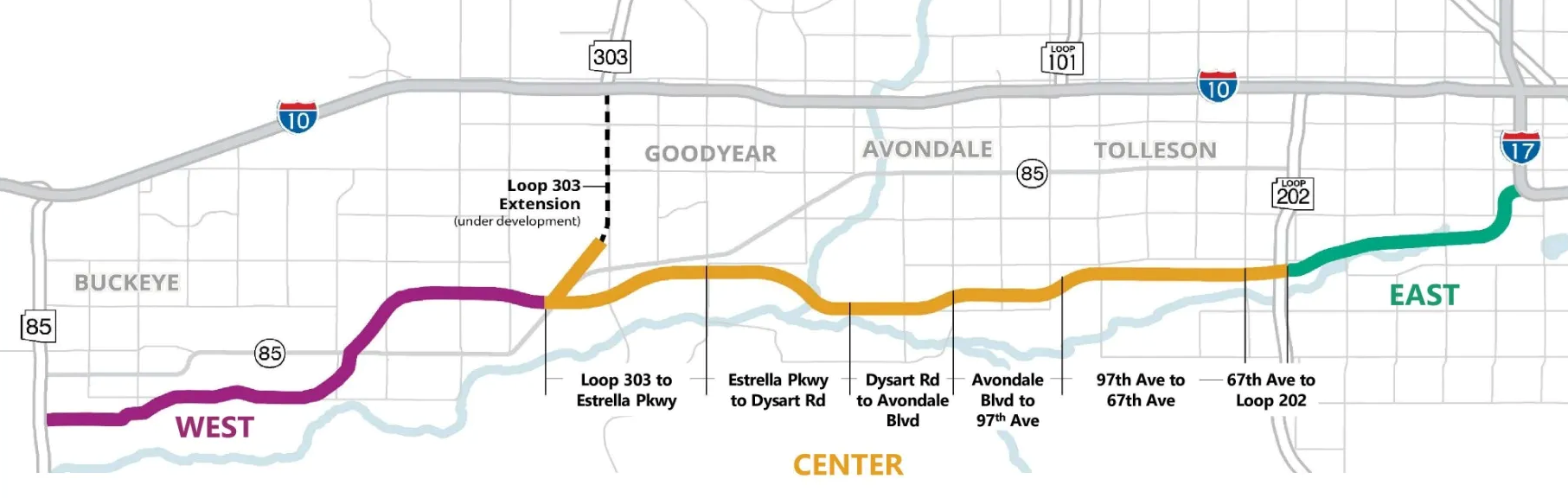
A new freeway could reshape the housing map in metro Phoenix. The proposed SR-30 Tres Rios Freeway is set to run parallel to I-10, connecting Buckeye to downtown Phoenix. With development progressing, now is the time to understand its potential impact.


🌍 Where Will the SR-30 Run?

SR-30 is planned to stretch from Perryville Road in Buckeye through Goodyear and Avondale, tying into Loop 202 South Mountain Freeway. This would create a major east-west corridor through the southern West Valley, relieving pressure on I-10.


What This Means for Commuters

For anyone living in or considering West Valley communities like Buckeye or Goodyear, SR-30 offers huge future relief. Commute times to Phoenix and Tempe could drop significantly.

Reduced congestion and new travel options will make these cities more livable and attractive to buyers.


🏠 How It Impacts Real Estate

Freeway access is a major driver of home value. As land becomes more accessible, builders are likely to intensify development around the corridor.

Expect new master-planned communities, retail hubs, and rising home values near future on/off ramps.


🛷 Construction Timeline & Funding

Funding is already allocated for early segments, with land acquisition underway. While full buildout may take years, early phases could begin as soon as 2026.

Phoenix real estate buyers looking for long-term equity plays should be watching this corridor now.


🌱 Investment Opportunity in the Making

Savvy investors are targeting land and rental properties near the planned freeway. Buying now, before demand spikes, could mean long-term appreciation and strong cash flow once the freeway opens.

Just remember: all investments carry risk.


What to Watch For

Keep an eye on local zoning changes, school district shifts, and infrastructure plans.

Also, check in with your lender about financing strategies in up-and-coming corridors. Areas now seen as "too far out" could soon be in high demand.


📞 I’m Jermaine Miller, your local agent and lender in Gilbert.
Let’s talk about how to navigate 2025 and make the numbers work for you.


🔗 Ready to run the numbers or schedule a strategy call?

480-800-HOME

Oct. 7, 2025

Phoenix's TSMC Campus Spurs City-Like Growth Plans

Master-planned Halo Vista near TSMC in Phoenix – Jermaine Miller Realtor AZ Fruitful Homes

What are the future plans around the Taiwan Semiconductor plant in Phoenix, Arizona?
🏙️

By Jermaine Miller – Realtor | Gilbert, AZ
Posted on AZFruitfulHomes.com


The transformation of North Phoenix is accelerating as the 2,300-acre site surrounding the Taiwan Semiconductor Manufacturing Co. (TSMC) campus begins its next chapter. With Costco, Marriott hotels, and a new auto mall confirmed as anchor tenants, the project—dubbed Halo Vista—is on track to become a self-sustaining city within a city.

Here’s what’s ahead for this groundbreaking development 👇


🏗️ From semiconductor site to smart city vision

The area around TSMC was once desert and infrastructure-limited. Today, it’s the epicenter of a bold mixed-use master plan designed to support one of the world’s most advanced chip manufacturing hubs.

Developers are calling it a “city within a city”, where residential, commercial, and industrial zones will blend into a fully integrated community. The long-term goal? Support tens of thousands of workers, residents, and visitors with housing, retail, hospitality, and infrastructure tailored for the tech-driven economy.


🛒 Costco confirms new Phoenix location

A major early win: Costco has entered an agreement to build a store in the new district near I-17 and Dove Valley Road. This signals deep confidence in local demand and gives future residents access to bulk retail shopping—often a key quality-of-life factor in emerging suburban zones.

Expect this Costco to become a retail anchor, drawing traffic and sparking further commercial growth nearby.


🏨 Two Marriott hotels to serve business and tech travelers

Hospitality is keeping pace. Marriott has signed on to build a Courtyard by Marriott and a Residence Inn, both strategically located to serve visiting engineers, contractors, and international clients connected to TSMC and its partners.

These hotels will offer short- and long-term stay options—perfect for those relocating, onboarding with tech firms, or visiting for project work. Their presence also elevates the area’s commercial profile and adds to its walkability.


🚗 Auto mall approved—mobility gets a local upgrade

The site will also feature a new auto mall, offering car sales and service conveniently located for the growing community. This supports the daily lifestyle needs of residents, while also serving the regional workforce.

It’s a smart move: as thousands of new homes come online, local auto services become essential—and profitable.


🌆 Infrastructure and real estate ripple effects

While vertical construction is just beginning, horizontal infrastructure like roads, utilities, and water access is already underway. This is crucial for scaling the rest of the development—and for homebuyers and investors considering nearby opportunities.

Expect housing projects, schools, and tech-focused commercial spaces to follow closely. Homebuyers should watch for early-phase new builds and value appreciation as demand increases.


📈 What it means for Phoenix-area real estate

The “Halo Vista” master plan, paired with TSMC’s multi-billion-dollar fabs, is catalyzing:

  • Rising land values across North Phoenix and nearby Peoria

  • Job growth in advanced manufacturing, hospitality, and retail

  • Increased investor interest in housing and infrastructure deals

  • Expanded freeway access and utility investment to handle scale

If you're considering buying, investing, or relocating within the Phoenix–Gilbert–Mesa–Queen Creek corridor, this could be a smart time to act before prices fully reflect future growth.


📞 Ready to explore this opportunity?

Call or text Jermaine Miller at 480-800-HOME.
Realtor serving Phoenix and the Southeast Valley.